
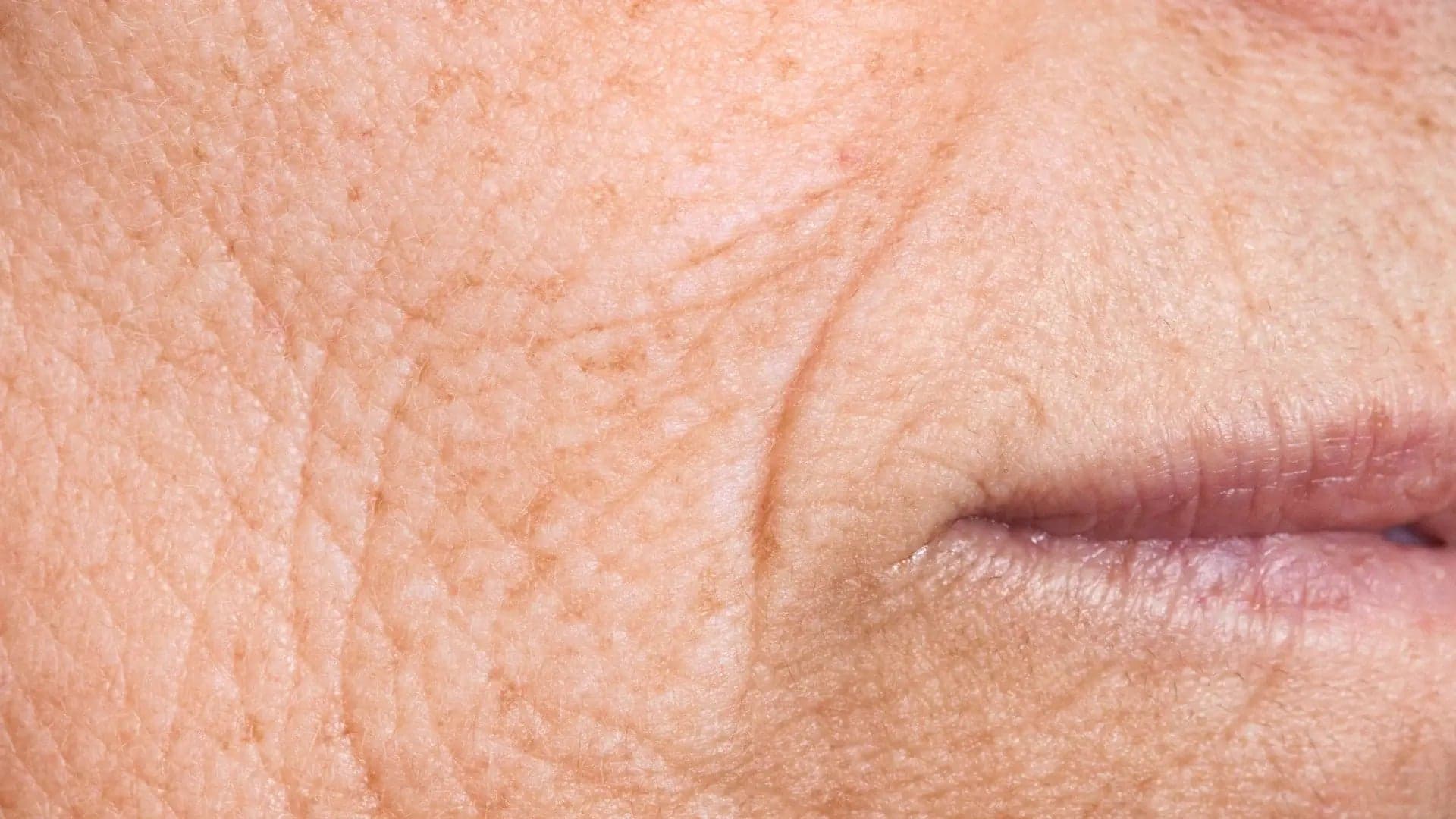
| Condition | Menopausal Skin Changes |
|---|---|
| Key Drivers | Estrogen Loss, Decreased Collagen, Reduced Sebum |
| Common Symptoms | Dryness, Thinning, Wrinkles, Sensitivity, Acne |
| Core Treatments | Retinoids, Niacinamide, Hyaluronic Acid, HRT |
| Goal | Restore Barrier, Stimulate Collagen, Hydrate |
Menopause is a significant physiological transition marked by the decline of ovarian function and a subsequent drop in estrogen levels. While symptoms like hot flashes and sleep disturbances are well-known, the impact on the skin is equally profound. Estrogen is not just a reproductive hormone; it is a key regulator of skin physiology, influencing collagen production, hydration, and wound healing. As estrogen levels fall during perimenopause and menopause, the skin undergoes rapid structural changes, leading to dryness, thinning, and accelerated wrinkling [1][2].
The Estrogen-Skin Connection
Estrogen receptors (ERs) are found throughout the skin, particularly on fibroblasts (the cells that make collagen) and keratinocytes (skin cells). When estrogen binds to these receptors, it stimulates the production of collagen, elastin, and hyaluronic acid, keeping the skin plump, firm, and hydrated. It also supports the skin's barrier function and ability to hold onto water [3][4].
During the first five years of menopause, women lose approximately 30% of their skin's collagen, with a subsequent decline of about 2% per year. This rapid loss of structural support leads to a loss of elasticity and the formation of deeper wrinkles. At the same time, a decrease in sebum (oil) production and water-holding capacity results in the characteristic dryness and "crepey" texture associated with menopausal skin [1][5].
Key Skin Changes During Menopause
Dryness and Compromised Barrier
One of the most common complaints is persistent dryness that doesn't seem to respond to usual moisturizers. Lower estrogen levels lead to reduced production of glycosaminoglycans (GAGs), such as hyaluronic acid, and a decrease in sebum production. This weakens the skin barrier, increasing transepidermal water loss (TEWL) and making the skin more susceptible to irritation and sensitivity [1][6].
Collagen Loss and Wrinkles
The steep drop in collagen types I and III leads to thinning of the dermis and a loss of tensile strength. This manifests as skin laxity (sagging), particularly around the jawline and neck, and the deepening of dynamic lines into static wrinkles. The skin loses its "snap" and resilience [1][5].
Adult Acne
Surprisingly, menopause can trigger acne flares. As estrogen drops, the relative ratio of androgens (male hormones) remains higher. This hormonal imbalance can stimulate sebaceous glands and lead to breakouts, often deep and tender, concentrated around the chin and jawline [1].
Evidence-Based Skincare for Menopause
Retinoids
Retinoids (such as tretinoin) are the gold standard for addressing collagen loss. They work by binding to nuclear receptors to stimulate fibroblasts, increasing the production of new collagen and inhibiting the enzymes that break it down (MMPs). This helps thicken the dermis, improve elasticity, and soften fine lines. For menopausal skin, which can be more fragile, starting with a lower concentration or a buffered formula is often recommended to minimize irritation [7][8].
Niacinamide
Niacinamide (Vitamin B3) is a multitasking powerhouse for menopausal skin. It boosts the production of ceramides and free fatty acids, strengthening the skin barrier and reducing water loss. Its anti-inflammatory properties help calm redness and sensitivity, while its ability to regulate pigment transfer helps address age spots and uneven tone [9].
Hyaluronic Acid
Because intrinsic hyaluronic acid levels drop, supplementing with topical hyaluronic acid is crucial. It acts as a humectant, drawing moisture into the stratum corneum to instantly plump fine lines and relieve tightness. For best results, it should be sealed in with an occlusive moisturizer to prevent evaporation [10].
Vitamin C
Vitamin C provides antioxidant protection against UV damage, which can be exacerbated as the skin's natural defenses weaken. It also serves as an essential cofactor for collagen synthesis, supporting the work of retinoids in maintaining skin firmness [11].
Why a Prescription Approach Matters
Over-the-counter products often lack the potency required to make structural changes in menopausal skin. Prescription formulas allow for the use of therapeutic concentrations of active ingredients like tretinoin, which have robust clinical data supporting their efficacy in reversing signs of photoaging and intrinsic aging. A doctor-led approach ensures that these potent ingredients are balanced with barrier-supporting agents to maintain comfort and compliance.
How to get started with Prescription Skin
Start with a quick online skin assessment and a medical review. We personalise your formulation to your skin tone, sensitivity and goals, then adjust strengths and companions over follow-ups. For example, we titrate retinoids to tolerance, choose appropriate BPO or azelaic acid strengths, and decide when to add, continue or stop systemic therapy. For adult female acne we assess suitability for hormonal therapy; for scarring-risk disease we discuss isotretinoin early and coordinate care safely. Clear, step-by-step instructions ensure you know what to use, when to use it, and how to manage temporary irritation while results build.
References
- Hall, G., & Phillips, T. J. (2005). Estrogen and skin: the effects of estrogen, menopause, and hormone replacement therapy on the skin. Journal of the American Academy of Dermatology. 53(4), 555-568. ↩︎
- Thornton, M. J. (2013). Estrogens and aging skin. Dermato-endocrinology. 5(2), 264-270. ↩︎
- Verdier-Sévrain, S., et al. (2006). Biology of estrogens in skin: implications for skin aging. Experimental Dermatology. 15(2), 83-94. ↩︎
- Rzepecki, A. K., et al. (2019). Estrogen-deficient skin: The role of topical therapy. International Journal of Women's Dermatology. 5(2), 85-90. ↩︎
- Calleja-Agius, J., et al. (2013). Skin ageing and menopause: implications for treatment. Przeglad Menopauzalny. 12(6), 480. ↩︎
- Brincat, M. P., et al. (2005). Estrogens and the skin. Climacteric. 8(2), 110-123. ↩︎
- Mukherjee, S., et al. (2006). Retinoids in the treatment of skin aging: an overview of clinical efficacy and safety. Clinical Interventions in Aging. 1(4), 327. ↩︎
- Kafi, R., et al. (2007). Improvement of naturally aged skin with vitamin A (retinol). Archives of Dermatology. 143(5), 606-612. ↩︎
- Bissett, D. L., et al. (2005). Niacinamide: A B vitamin that improves aging facial skin appearance. Dermatologic Surgery. 31, 860-865. ↩︎
- Papakonstantinou, E., et al. (2012). Hyaluronic acid: A key molecule in skin aging. Dermato-endocrinology. 4(3), 253-258. ↩︎
- Pullar, J. M., et al. (2017). The roles of vitamin C in skin health. Nutrients. 9(8), 866. ↩︎
Medically Reviewed Content
- Written by: The Prescription Skin Editorial Team
- Medically Reviewed by: Dr Mitch Bishop (AHPRA Registered Practitioner: MED0002309948)
- Last Updated: November 2025
This content is for informational purposes only and does not constitute medical advice. Treatment is subject to consultation and approval by our Australian-registered doctors.