
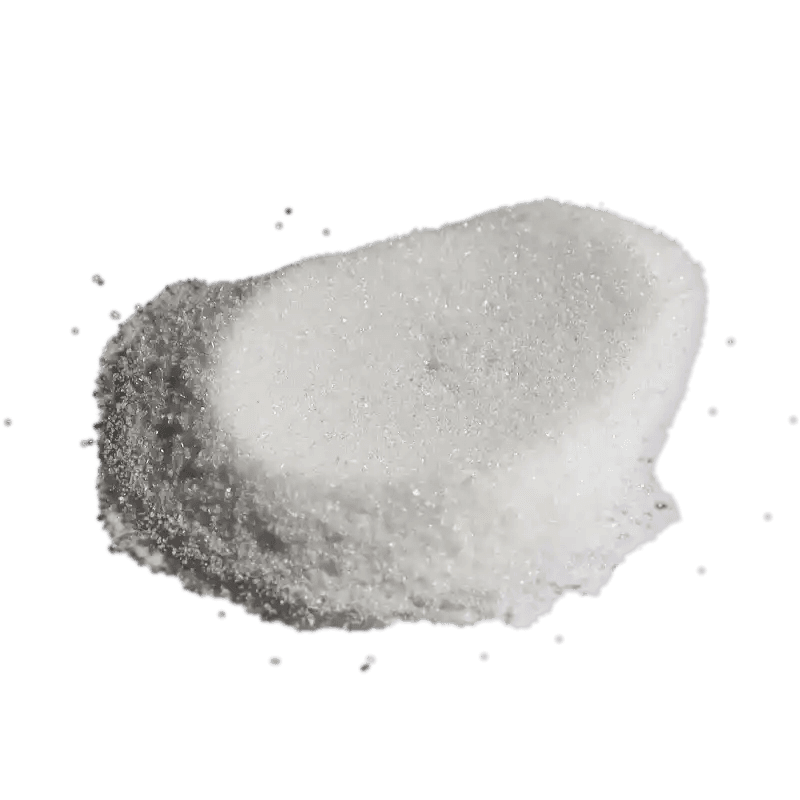
Ascorbic Acid (Vitamin C) at Prescription Skin
| Ingredient Type | Potent Antioxidant (L-Ascorbic Acid) |
|---|---|
| Best For | Brightening, Protection, Collagen support, Uneven tone |
| Mechanism | Neutralises free radicals, Cofactor for collagen synthesis |
| Results Timeline | 2-4 weeks (Glow), 3-6 months (Firmness) |
| Pregnancy Safety | Safe (Permitted) |
Find out how a personalised prescription formula could work for your skin at Prescription Skin.
Ascorbic acid, also known as vitamin C, is a potent antioxidant used to protect skin from daily damage and to support a brighter, more even complexion. It also helps defend against day-to-day environmental stress when worn under sunscreen, which is why we usually place it in the morning routine. In real people (not just lab tests), well-formulated vitamin C has been shown to improve fine lines, texture and visible signs of photo-damage when used consistently for weeks to months [1][2][3][4].
Vitamin C levels in skin are naturally higher when we are young, but decline with age, sun exposure, smoking, inflammation and urban pollution. Introducing a stable, well-formulated ascorbic acid serum helps top up those reserves, improve tone over time and amplify the results of the rest of your routine [1][2].
How ascorbic acid works
Antioxidant protection
Free radicals are unstable molecules that steal electrons from nearby structures, creating oxidative stress that chips away at collagen, lipids and DNA. Antioxidants donate electrons to stabilise those molecules so they do not damage skin structures. Ascorbic acid is a potent water-soluble antioxidant that directly neutralises reactive oxygen species (ROS, highly reactive oxygen-containing molecules) generated by UV and urban pollution [1][2]. When worn under sunscreen it adds measurable protection, helping reduce UV-induced redness and biochemical markers of photo-damage, which translates over time to less dullness and blotchiness [3][6].
Collagen support
Vitamin C is an essential cofactor for prolyl and lysyl hydroxylases, the enzymes that stabilise and cross-link new collagen fibres in the dermis (the deeper support layer of skin) [1][2]. It also helps recycle vitamin E, keeping your antioxidant network working efficiently while new collagen is being laid down [1][2]. With consistent daily use, clinical studies show improvements in fine wrinkling and skin texture, especially when vitamin C is paired with diligent sun protection [4][5]. Results build gradually because collagen turnover is slow, but steady use is associated with firmer looking skin over months [1][4].
Pigment regulation
Excess melanin production is driven by tyrosinase, the enzyme that starts the pigment pathway. Ascorbic acid can inhibit tyrosinase activity and reduce the oxidation steps that deepen pigment, which is why it is useful for uneven tone, post-acne marks and general brightness [1][2][7]. In melasma-adjunct plans, topical vitamin C has shown reductions in hyperpigmentation when used regularly, and it is often combined with other doctor-selected agents for added effect [2][8]. Consistency and sun protection are critical, because UV exposure re-stimulates pigment pathways and can counter progress [1][2][8].
Texture and radiance
Oxidative stress roughens the stratum corneum (the outermost layer), scatters light and makes texture look uneven. By limiting ROS and supporting healthy renewal, vitamin C helps corneocytes (the outer skin cells) lie flatter so the surface reflects light more evenly [1][2]. Controlled trials report visible gains in smoothness and brightness after weeks of daily use with well-formulated products [4][5][2]. People often notice the “glow” earlier than deeper changes, which fits the biology: surface optics improve first, then tone and fine lines follow with ongoing care [1][4].
What ascorbic acid can help with
- Dullness and lack of radiance [1][4]
- Uneven tone and post-acne marks [1][7][8]
- Early fine lines and loss of firmness in supportive plans [4][5]
- Daily environmental stress from UV and pollution [1][2][3]
- Pairing with morning SPF to improve overall skin resilience [3]
How to use Vitamin C
Layering and timing
Apply products from thinnest to thickest. Cleanse, optional toner, vitamin C serum, moisturiser, then SPF in the morning. Vitamin C works especially well in the morning because it complements sunscreen against UV and pollution-generated free radicals [1][3].
Frequency and tolerance
If your skin is balanced, start once daily at 10–15% L-ascorbic acid. If you are sensitive or using other strong actives, begin every second morning for a week, then move to daily if comfortable. Gentler vitamin C derivatives usually need less ramp-up [1][2].
Application details that matter
Work on dry, comfortable skin. Spread a thin layer over the face and keep a small margin from the nostril folds, the lip line, and eyelid margins. If those borders sting, place a light moisturiser there first as a buffer, then apply vitamin C to the rest of the face [1].
How to combine with other actives without drama
- Retinoids: Excellent pairing for outcomes. Use vitamin C in the morning and your retinoid at night [1].
- Benzoyl peroxide: Can oxidise L-ascorbic acid. Split by time of day or alternate days [1].
- AHAs and BHAs (glycolic, lactic, salicylic, citric): Alternate days or use at a different time of day. Stacking low-pH acids with low-pH L-ascorbic acid in the same session often adds sting without added benefit [1][2].
Side effects, what is normal and what isn’t
What’s normal in the first few weeks
A brief tingle on application is common with fresh, low-pH vitamin C serums, especially around the nose folds and cheeks. Mild redness may appear in the first 5–10 minutes and then settle. A slight tight feeling or a tacky finish depends on the formula and is not harmful. If your skin is reactive, a few dry flakes can show up as the barrier adjusts; this usually settles within one to two weeks when you pair vitamin C with a moisturiser and daily SPF [1][2].
What can happen if the barrier is a bit fragile
If you are using multiple actives, vitamin C can tip you into irritation. Stinging that lasts beyond 10–15 minutes, redness that lingers through the day, or patchy dryness around the mouth and nose are signals to slow down. This is more likely if you stack strong leave-on acids or apply on just-cleansed, damp skin. Switching to morning-only use, applying on fully dry skin, and moisturising after the serum usually restores comfort. If you also use a night retinoid, keep vitamin C in the morning and the retinoid at night rather than layering them together [1][2].
Breakouts vs irritation bumps
Vitamin C itself is not pore-clogging, but some bases can be. Rich oils, heavy silicones, or certain emollients may trigger closed comedones in acne-prone skin. Tiny, uniform bumps where the serum sits usually point to the vehicle rather than the active. Swap to a lighter formula and keep everything else the same for two weeks to confirm. Red, sore bumps that burn rather than itch are more consistent with irritation. Space your actives out and add moisturiser [1].
Colour change and stinging that worsens
Fresh L-ascorbic acid should be clear to pale straw. If your serum turns deep yellow, orange, or brown, it has oxidised. Oxidised vitamin C is less effective and more likely to sting. Retire the bottle and start a fresh one. Store new bottles in a cool, dark place with the cap tightly closed [1][3].
When to ease off or stop and message us
Stop and check in if you have persistent burning or redness that does not settle with moisturiser, new eczema-like patches, swelling, or hives. If you have a deeper skin tone and notice new grey-brown patches after irritation, pause use. Post-inflammatory hyperpigmentation can follow barrier upset. We will adjust your plan to calm the skin first, then re-introduce vitamin C gently. During active rosacea flares or periorificial dermatitis, hold vitamin C until the flare is controlled [1][2].
A couple of safety clarifications
Vitamin C is not photosensitising. It is photoprotective, but freshly exfoliated or irritated skin can feel more sun-reactive in general. Keep SPF50+ daily while you build results. Topical vitamin C is fine in pregnancy and breastfeeding. If you use benzoyl peroxide, do not apply it in the same session as vitamin C. Use one in the morning and the other at night to avoid mutual inactivation and extra sting [1][2][3].
How long before I start to see results?
Dullness
You can see a small “brightness” bump within a few uses as surface hydration and light reflection improve. Most people notice a clearer, more awake look by 2–4 weeks with daily use. If there’s no change by week 4, check basics: morning use, fresh product (no brown or orange oxidised tint), and SPF every day [4][5].
Pigmentation
For post-acne marks and uneven tone, expect steady fading over 6–12 weeks, faster if you pair vitamin C with strict sunscreen and a gentle night routine. Hormonal pigment patterns like melasma usually need 8–16 or more weeks and benefit from combination care plus rigorous UV avoidance. If spots plateau, it is usually an SPF or consistency issue [7][8].
Early fine lines and loss of firmness
Visible softening is gradual. Many notice a subtle improvement in fine lines and springiness by 8–12 weeks, with a firmer look and better elasticity accumulating over 3–6 months. Results track with consistency, concentration, and sun protection. Pairing vitamin C in the morning with a retinoid at night typically accelerates this arc [4][5].
Smoothness
Tactile smoothness improves as oxidative stress drops and turnover evens out. Expect skin to feel a bit more refined by 2–4 weeks, with a more polished look by 6–8 weeks. If you are also using leave-on acids, alternate days or time-split to avoid over-exfoliation, which can stall progress by irritating the barrier [4][5].
Who should avoid ascorbic acid?
- Highly sensitive or reactive skin - start slowly and apply over or under a moisturiser as needed [1][2].
- Skin recovering from procedures - follow your clinician’s advice on when to restart active steps.
- Known sensitivities to specific excipients - list these in your Skin Questionnaire so we can choose the right base.
FAQs
How to get started
Sign up for Prescription Skin, complete your Skin Questionnaire, and have your consultation with your doctor to discuss your skin history and goals. Your doctor will then prescribe a personalised Prescription Skin formula, which will be compounded, packed and shipped directly to you. Subscribers can have their formula reviewed every 2 months at no extra cost.
Can I use ascorbic acid with a prescription retinoid?
Yes. Use vitamin C in the morning and your retinoid at night. This split reduces the chance of irritation and allows each ingredient to do its job.
Will vitamin C sting or cause redness?
A brief tingle can occur, especially on sensitive skin or after cleansing. This should settle quickly. If stinging persists or redness builds throughout the day, reduce frequency and add moisturiser, then contact us for an adjustment.
Does vitamin C help with post-acne marks?
Yes. By supporting antioxidant defense and helping regulate pigment transfer, vitamin C supports fading of post-acne marks over several weeks when used consistently.
How much should I apply?
A thin, even layer is enough. More product does not equal better results and may increase the chance of irritation.
References
- Telang PS. Vitamin C in dermatology. Indian Dermatol Online J. 2013;4(2):143–146. ↩︎
- Pullar JM, Carr AC, Vissers MCM. The roles of vitamin C in skin health. Nutrients. 2017;9(8):866. ↩︎
- Lin JY, Selim MA, Shea CR, et al. UV photoprotection by combination topical antioxidants vitamin C and E and ferulic acid. J Invest Dermatol. 2005;125(4):826–832. ↩︎
- Humbert PG, Haftek M, Creidi P, et al. Topical vitamin C treatment of photodamaged skin. J Cosmet Dermatol. 2003;2(3–4):147–153. ↩︎
- Traikovich SS. Use of topical ascorbic acid on photoaged skin: clinical and ultrasound evaluation. Dermatol Surg. 1999;25(7):521–525. ↩︎
- Darr D, Combs S, Dunston S, Manning T, Pinnell S. Topical vitamin C protects porcine skin from ultraviolet radiation–induced damage. Photodermatol Photoimmunol Photomed. 1992;9(3):128–134. ↩︎
- Kameyama K, Sakai C, Kuge S, et al. Inhibitory effect of magnesium L-ascorbyl-2-phosphate on melanogenesis in vitro and in vivo. J Am Acad Dermatol. 1996;34(1):29–33. ↩︎
- Ogbechie-Godec OA, Elbuluk N. Melasma: an up-to-date comprehensive review. Dermatol Ther (Heidelb). 2017;7(3):305–318. ↩︎
Medically Reviewed Content
- Written by: The Prescription Skin Editorial Team
- Medically Reviewed by: Dr Mitch Bishop - AHPRA Registered Practitioner (MED0002309948)
- Last Updated: June 2026
This content is for informational purposes only and does not constitute medical advice. Treatment is subject to consultation and approval by our Australian-registered doctors.