- How melasma appears and what causes this skin condition
- Epidermal melasma, dermal melasma, and mixed melasma
- How is melasma diagnosed?
- Sun protection: the foundation of every melasma treatment
- How melasma is treated with topical treatments at Prescription Skin
- Oral treatments for melasma
- Chemical peels and laser treatment for melasma
- Managing melasma long-term: maintenance therapy
- Melasma treatment for darker skin tones
- Getting started with Prescription Skin
- Frequently asked questions about melasma
- Summary
- References
Melasma Treatment
Melasma is a common, chronic skin condition causing symmetrical, dark brown-to-greyish patches primarily on the face. It is a common acquired skin disorder that presents as bilateral, blotchy, brownish facial pigmentation, most often across the cheeks, forehead, upper lip, and chin[1].
Melasma does not cause physical pain or itchiness. It is strictly a cosmetic condition, but melasma can have a severe impact on quality of life due to its visibility. Many people find that melasma patches affect their confidence, and we see this concern daily at Prescription Skin.
The good news is that with the right melasma treatment plan, combining sun protection with prescription topical agents, most people achieve a noticeably more even skin tone over time.
| Condition | Melasma (Chloasma) |
|---|---|
| Type | Acquired Hyperpigmentation |
| Key Drivers | UV Light, Hormones, Heat, Inflammation |
| Core Treatments | Hydroquinone, Tretinoin, Triple Combination Cream |
| Improvement Timeline | 12 to 16 weeks for visible fading |
How melasma appears and what causes this skin condition
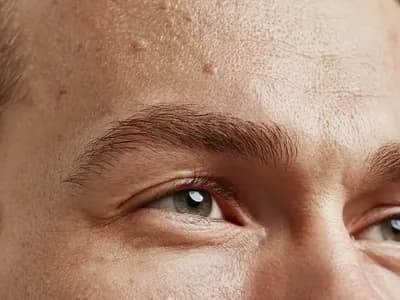
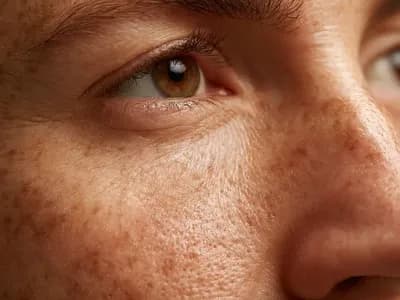
Melasma presents as bilateral, asymptomatic, light-to-dark brown macules or patches with irregular borders. The characteristic appearance of melasma is that of light brown to dark brown patches distributed on the malar cheeks, forehead, upper lip, and jawline[1]. Melasma appears most commonly in women, with an onset typically between the ages of 20 and 40 years.
The global prevalence of melasma is approximately 1%, with higher rates reported in people with darker Fitzpatrick skin types. The cause of melasma is complex and has been proposed to be a photoageing disorder in genetically predisposed individuals[4].
Major triggers of melasma include hormonal changes, sun exposure, and heat. Hormonal factors are significant contributors to melasma. Higher levels of oestrogen and progesterone can trigger melasma or make melasma worse. The oral contraceptive pill, hormonal contraception, and hormone replacement therapy can all initiate or worsen melasma[1].
Ultraviolet radiation and visible light both stimulate the pigment producing cells (melanocytes) in your skin, ramping up melanin production and making melasma patches darker. The pigmentation in melasma often darkens during the summer months due to increased sun exposure. Even extended heat exposure from occupational environments can make melasma worse.
Genetics may play a significant role in melasma, with up to 60% of affected individuals having a blood relative with the condition. If you have darker skin tones where melanin production is stimulated more readily by UV radiation, you are more likely to develop melasma[1]. Melasma may also be associated with endocrinological conditions such as thyroid disease.
Melasma can have a significant psychosocial impact, leading to reduced self-confidence. Makeup can be an effective tool for masking the appearance of melasma while you are undergoing treatment for melasma, and there is nothing wrong with using it while your treatment plan takes effect.
Epidermal melasma, dermal melasma, and mixed melasma
Melasma can be separated into epidermal, dermal, and mixed types, depending on the level of increased melanin in the skin[3].
Epidermal melasma involves excess pigment in the upper skin layers. Epidermal melasma tends to respond well to topical treatments and chemical peels, and is often the most straightforward type of melasma to treat.
Dermal melasma involves pigment deeper in the dermis. Dermal melasma is more stubborn and may require a multi-agent treatment approach with longer treatment timelines.
Mixed melasma is a combination of epidermal and dermal melasma, and it is the most common form. Mixed melasma often needs a layered strategy combining topical medications with ongoing maintenance treatments to achieve a more even skin tone across multiple levels of pigment depth.
How is melasma diagnosed?
Melasma is usually diagnosed based on clinical appearance and examination with a Wood lamp and dermatoscope. A clinical diagnosis of melasma is usually straightforward based on the colour, pattern, and location of brownish facial pigmentation on the face[1].
A professional evaluation by a dermatologist is often recommended to differentiate melasma from other skin conditions. A differential diagnosis may include post inflammatory hyperpigmentation, drug-induced pigmentation, or other pigment disorders. A skin biopsy may sometimes be needed to diagnose melasma with certainty and to rule out other conditions, including skin cancer. Knowing how to diagnose melasma accurately helps determine the most effective treatment for melasma.
Understanding your melasma type is important because it directly influences your treatment plan and how best to treat melasma in your case. When you complete a Prescription Skin assessment, our doctors evaluate your melasma to determine the right treatment of melasma for your specific pigmentation depth and skin tone.
Sun protection: the foundation of every melasma treatment
The cornerstone of melasma treatment is daily use of broad spectrum sunscreen with an SPF of at least 50+. Strict sun protection is crucial for the successful treatment of melasma and the prevention of relapse[6][7].
Standard sunscreens block UV radiation, but visible light is also a major trigger for melasma. To properly protect the affected skin, you need a tinted sunscreen containing iron oxide. According to clinical studies, tinted broad spectrum sunscreens significantly improve melasma outcomes compared to UV-only sunscreens[8].
Avoiding direct sun exposure, especially during peak hours, is important for preventing melasma from worsening. Wearing protective clothing, such as wide-brimmed hats and long-sleeved shirts, can further reduce UV exposure. Managing stress and avoiding skin irritants can also help prevent melasma flare-ups and keep your skin healthy.
Diligent sun protection and a consistent skincare routine are essential to effectively treat melasma and prevent it from returning. Without it, even the best topical therapy will not hold.
How melasma is treated with topical treatments at Prescription Skin
Topical agents are the first-line treatment for melasma. A combination approach, incorporating topical treatments, sun protection, and second-line therapies, often yields the best outcomes for managing melasma.
Hydroquinone cream
Hydroquinone is considered the gold standard for treating melasma. It is available in prescription formulations of 2% to 4% in Australia (prescription-only). Hydroquinone cream works by inhibiting tyrosinase, the enzyme responsible for melanin production in the pigment producing cells, gradually achieving skin lightening over time[2]. You can read more about the differences in our guide on hydroquinone 2% vs 4%.
Triple combination cream
The combination of hydroquinone (prescription-only in Australia), tretinoin (prescription-only in Australia), and a moderate topical steroid has been shown to result in significant improvement in melasma. This triple combination cream is the most evidence-based topical therapy for the treatment of melasma[9][10][11]. The tretinoin boosts skin cell turnover and helps the hydroquinone penetrate more effectively, while the corticosteroid reduces irritation on the affected skin[12].
Azelaic acid and other topical agents
Topical agents such as azelaic acid and kojic acid have been shown to significantly reduce melasma and should be considered prior to chemical peels or laser therapy[13][14]. Azelaic acid is an excellent alternative for those who cannot tolerate hydroquinone or need longer-term topical medications. It is particularly well suited for darker skin types because it carries a lower risk of post inflammatory hyperpigmentation.
Kojic acid inhibits tyrosinase and can help fade melasma patches. Ascorbic acid (vitamin C) adds antioxidant protection and supports skin lightening. Niacinamide blocks melanin transfer and supports skin health. Cysteamine is a naturally occurring aminothiol that inhibits tyrosinase and demonstrates high efficacy similar to triple combination cream. All of these topical treatments can be combined within a personalised treatment plan.
Oral treatments for melasma
Oral tranexamic acid is becoming more widely used for melasma treatment due to its low cost and ease of prescription[15][16]. Tranexamic acid works by reducing melanin production through a different pathway to topical agents, making it a valuable addition to treatment options for people who are not seeing enough improvement with topical therapy alone.
Oral tranexamic acid is typically prescribed at low doses under medical supervision due to potential clotting risks. It can also be used topically, though the oral form appears more effective for resistant melasma[17]. Oral treatments represent an important option for managing melasma when topical medications alone are insufficient.
Chemical peels and laser treatment for melasma
Chemical peels with active ingredients such as alpha hydroxy acids (AHAs) and beta hydroxy acids (BHAs) have been shown to be useful in the treatment of melasma[5]. Glycolic acid peels are most commonly used. Lactic acid peels are gentler and better suited for sensitive or deeper skin tones. Salicylic acid peels are useful for people who also have acne-prone skin. Chemical peels can speed up results alongside your topical treatment plan.
Laser therapy, including Q-switched lasers (Nd:YAG 1064 nm) and picosecond lasers, can effectively break down deep pigment in melasma. Laser treatments for melasma work by selectively targeting the pigment in the skin, breaking it down into smaller fragments that can be absorbed by the body[18]. Intense pulsed light is another laser and light therapy option sometimes used for melasma.
However, laser treatment is not a standalone treatment for melasma. Results can vary and melasma recurrence is common without ongoing maintenance therapy[18]. Laser treatment needs particular care with darker skin tones to avoid worsening pigmentation. These are best used as part of a broader melasma treatment plan alongside topical agents and sun protection.
Managing melasma long-term: maintenance therapy
Melasma is a chronic skin condition that often recurs if triggers like sun exposure, hormonal changes, or hormonal contraception are not managed effectively. Maintenance therapy is crucial for preventing melasma recurrence and maintaining the improvements achieved. Knowing how to treat melasma long-term is just as important as the initial treatment phase.
Maintenance treatments might include continued tinted broad spectrum sunscreen, intermittent topical therapy with azelaic acid, kojic acid, or ascorbic acid, and regular skin reviews. Some patients benefit from periodic chemical peels or low-dose oral tranexamic acid to keep melasma under control.
Your treatment plan should evolve over time. Hormonal factors, such as pregnancy or the use of oral contraceptives, can contribute to melasma recurrence. If you are planning a pregnancy, your doctor will adjust your treatment for melasma to avoid ingredients that are not safe during that time. Regular check-ups with your prescribing doctor help you stay on track with your melasma treatment plan.
Melasma treatment for darker skin tones
Melasma is often more pronounced in individuals with darker skin tones and darker skin types due to increased melanin production. Treatment options for melasma need to be chosen carefully for deeper complexions because many treatments carry a higher risk of post inflammatory hyperpigmentation or uneven skin lightening.
Azelaic acid, kojic acid, and ascorbic acid are generally safer topical agents for darker skin tones. Higher-strength chemical peels and aggressive laser therapy need more cautious use. Treatment plans should start conservatively and build up gradually, monitoring how the affected skin responds at each stage. Achieving a more even skin tone is absolutely possible, but it requires experienced guidance.
Getting started with Prescription Skin
Start with a quick online skin assessment. Our doctors will diagnose melasma based on your photos and history, evaluate your skin tone and melasma type, then create a personalised prescription formula combining the right topical medications for your situation.
You will receive clear instructions and check-ins before each refill so we can adjust your treatment plan as your melasma responds. If you are just starting on prescription skincare, our guide on the first 8 weeks gives you a realistic sense of what to expect.
Frequently asked questions about melasma
What is the best melasma treatment?
Triple combination cream containing hydroquinone (prescription-only in Australia), tretinoin (prescription-only in Australia), and a mild corticosteroid is the most evidence-based first-line treatment of melasma. Combined with daily tinted sunscreen, this treatment plan delivers the best results for most melasma patients[9][10].
Can melasma be treated permanently?
Melasma is a chronic skin condition and cannot be permanently eliminated. However, melasma can be well controlled with the right treatment options and ongoing maintenance therapy. Most people achieve significant fading with prescription topical treatments and strict sun protection, though maintenance treatments are usually needed to prevent melasma recurrence.
How long does melasma treatment take to work?
Most people start to see visible improvement in their melasma patches around the 12 to 16 week mark with consistent treatment and sun protection. Melasma can sometimes look slightly worse before it improves as cell turnover increases. Your treatment plan may be adjusted over time to keep your skin healthy and manage melasma effectively.
How is melasma different from other pigmentation?
Melasma is a common skin condition with a characteristic bilateral, symmetrical pattern of brownish facial pigmentation on the cheeks, forehead, upper lip, and chin. It differs from post inflammatory hyperpigmentation (which follows injury to the skin) and sun spots (which tend to be isolated). A clinical diagnosis helps determine the right melasma treatment approach[1][3].
Does melasma get worse in summer?
Yes. The pigmentation in melasma often darkens during the summer months due to increased sun exposure. UV radiation and visible light both trigger melasma, which is why sun protection with a tinted broad spectrum sunscreen is the single most important step in managing melasma and preventing melasma recurrence[6].
Summary
Melasma is a common, chronic skin condition driven by UV radiation, visible light, hormonal factors, heat, and genetics. The most effective melasma treatment combines daily tinted sunscreen with prescription topical agents such as hydroquinone, tretinoin, and azelaic acid, adjusted over time as your skin tone improves. Prescription Skin provides personalised melasma treatment through an online assessment, custom formulations, and ongoing medical support to help you achieve a more even skin tone.
References
- Passeron T, et al. Melasma pathogenesis and influencing factors: a clinical and epidemiological review. J Eur Acad Dermatol Venereol. 2013;27:760-768. ↩︎
- van Zuuren EJ, et al. Self-applied topical interventions for melasma: systematic review and meta-analysis of RCTs. Br J Dermatol. 2022;187(3):309-322. ↩︎
- Chantarasap P, et al. Dermal pathology in melasma: update review. Clin Cosmet Investig Dermatol. 2021;14:1319-1330. ↩︎
- Lee AY. Heterogeneous pathology of melasma and clinical implications. Int J Mol Sci. 2016;17(6):824. ↩︎
- Liu Y, et al. Comparison of the efficacy of melasma treatments: network meta-analysis of RCTs. Front Med. 2021;8:713554. ↩︎
- Castanedo-Cazares JP, et al. Visible light protection with iron-oxide sunscreen improves melasma outcomes vs UV-only sunscreen. Photodermatol Photoimmunol Photomed. 2014;30. ↩︎
- Boukari N, et al. Prevention of melasma relapses with sunscreen combining UV and short-wavelength visible light protection. J Am Acad Dermatol. 2015;72. ↩︎
- Ho A, et al. Photoprotection beyond ultraviolet radiation: review of tinted sunscreens. J Am Acad Dermatol. 2020;83. ↩︎
- Taylor SC, et al. Two randomized trials of fixed triple combination (fluocinolone/hydroquinone/tretinoin) vs dual regimens in melasma. Cutis. 2003;72:67-72. ↩︎
- Torok HM, et al. Triple combination cream vs hydroquinone 4% for moderate-severe melasma. J Am Acad Dermatol. 2005;52. ↩︎
- Chan R, et al. RCT: triple combination vs hydroquinone 4% in Asian patients. Br J Dermatol. 2008;159(3):697-703. ↩︎
- Grimes PE, et al. Clinical experience and safety with triple combination therapy for melasma. Cutis. 2006. ↩︎
- Handog EB, et al. Azelaic acid and retinoids in melasma: evidence overview. Am J Clin Dermatol. 2016;17. ↩︎
- van Zuuren EJ, et al. Topical interventions review supporting azelaic acid/retinoids. Br J Dermatol. 2022;187(3):309-322. ↩︎
- Liang R, et al. Comparative efficacy and safety of tranexamic acid by administration route: systematic review and network meta-analysis. J Cosmet Dermatol. 2024;23. ↩︎
- Calacattawi R, et al. Tranexamic acid as a therapeutic option for melasma: meta-analysis of RCTs. J Dermatolog Treat. 2024. ↩︎
- Sarkar R, et al. Systemic treatments and device outcomes in melasma: systematic review. J Am Acad Dermatol. 2020;82. ↩︎
- Li L, et al. Network meta-analysis of laser/light (plus or minus TXA) in melasma; efficacy varies and recurrence is common. Photodiagnosis Photodyn Ther. 2023;42:102740. ↩︎
Ready to start treatment for melasma? Get your free skin assessment reviewed by a registered medical practitioner.
Medically Reviewed Content
- Written by: The Prescription Skin Editorial Team
- Medically Reviewed by: Dr Mitch Bishop - AHPRA Registered Practitioner (MED0002309948)
- Last Updated: June 2026
This content is for informational purposes only and does not constitute medical advice. Treatment is subject to consultation and approval by our Australian-registered doctors.