- Acne vulgaris: how acne develops
- Acne symptoms and severity
- How is acne diagnosed?
- What makes acne worse?
- How acne is treated at Prescription Skin
- Oral treatments and systemic therapies for acne
- Acne scars and skin discoloration
- Managing and preventing acne long-term
- Acne treatment for darker skin
- Getting started with Prescription Skin
- Frequently asked questions
- Summary
- References
Acne Treatment
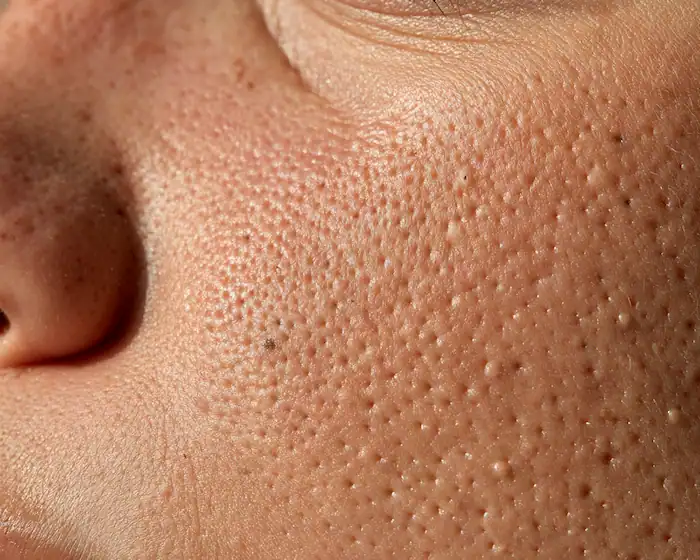
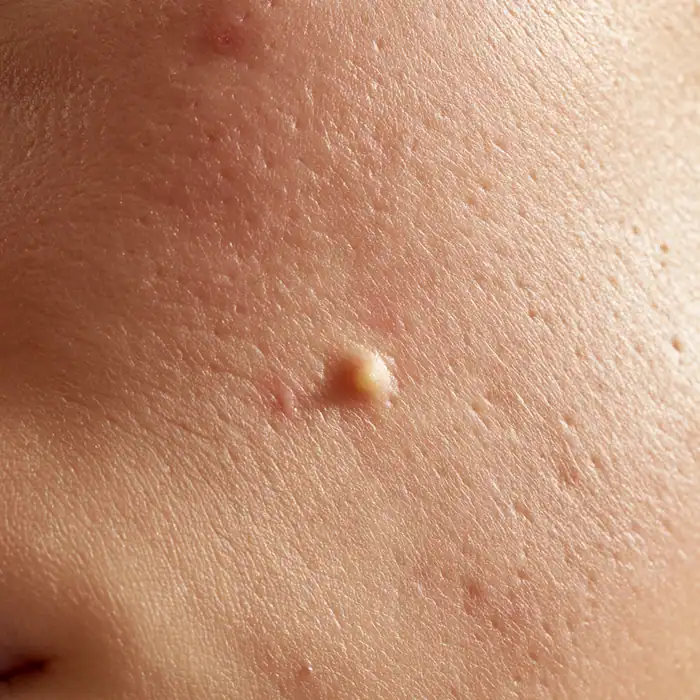
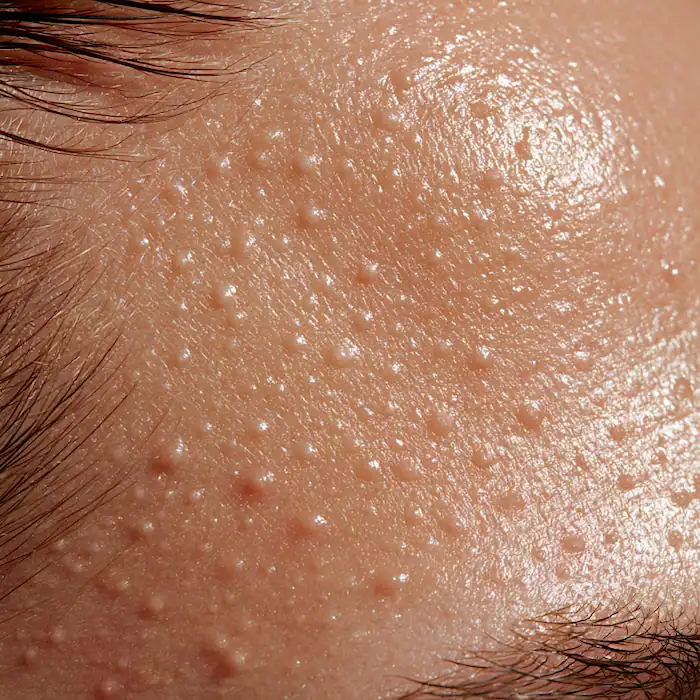
Acne vulgaris is a common skin condition that causes spots, blackheads, whiteheads, and deeper inflammatory lesions on the face, chest, and back. Acne vulgaris is a chronic inflammatory disorder affecting the pilosebaceous unit, and it is one of the most common skin diseases seen in clinical practice[1][2].
Acne vulgaris is commonly observed among adolescents and young adults, with prevalence rates estimated to range from 35% to over 90% among adolescents[4]. However, acne vulgaris can affect individuals of various ages, not just adolescents. Acne can occur in adults, particularly in women, and may be influenced by hormonal changes. Adult acne is increasingly common and can persist well into the thirties and beyond.
The severity of acne can vary, ranging from mild acne with a few comedones to severe forms characterised by disfiguring inflammatory manifestations. Without effective acne treatment, ongoing inflammation raises the risk of permanent acne scars and skin discoloration[1][4]. The good news is that with the right combination of prescription topical medications, most acne can be effectively managed and cleared.
| Condition | Acne Vulgaris |
|---|---|
| Type | Chronic Inflammatory Skin Disease |
| Key Drivers | Excess Oil, Dead Skin Cells, Bacteria, Inflammation |
| Core Treatments | Topical Retinoids, Benzoyl Peroxide, Azelaic Acid |
| Improvement Timeline | 8 to 12 weeks for visible clearing |
Acne vulgaris: how acne develops
Acne vulgaris develops when the hair follicles and sebaceous glands become blocked and inflamed. The sebaceous glands (oil glands) produce an oily substance called sebum. Normally, sebum travels up through the hair follicles and onto the skin surface. When this process goes wrong, acne formation begins[2][15][17].
Acne primarily affects skin with a relatively high number of oil glands, including the face, upper part of the chest, and back. These areas contain the largest concentration of sebaceous glands and hair follicles, making them the most common sites for acne vulgaris to appear. The hair follicles in these regions are particularly susceptible to blockage by dead skin cells and excess sebum[1].
Acne can be caused by a build-up of dead skin cells and oil, which forms a pimple or nodule in the skin. Dead skin cells that normally shed from the lining of the hair follicles instead clump together and clog pores. This plug traps sebum inside the pore, creating the right conditions for bacteria to multiply[2][4][15].
Androgen hormones may make the skin produce more oil, contributing to acne. Excessive androgen production during puberty is a major driver of acne in young adults, but hormonal changes throughout life, including menstrual cycles, pregnancy, and the use of hormonal contraception, can all trigger or worsen acne[2][4].
Inside the blocked hair follicles, bacteria such as Cutibacterium acnes release free fatty acids and other inflammatory mediators. The immune system responds, producing the redness, swelling, and tenderness that define inflammatory acne lesions. If the follicle wall ruptures, inflammation spreads into surrounding tissue, leading to more severe acne lesions like nodules and cysts[2][15][17].
Genetics plays a substantial role in the development of acne, with heritability estimates ranging from 50% to 90%[14][18]. Acne can be influenced by genetic factors, and if acne runs in your family, you are more likely to develop acne yourself and may experience increased acne severity. According to the American Academy of Dermatology, a family history of severe acne is one of the strongest predictors of developing acne that may need aggressive treatment.
Acne symptoms and severity
Acne symptoms range from non-inflammatory comedones (blackheads and whiteheads) to painful inflammatory lesions. Acne vulgaris is classified into six main types: blackheads, whiteheads, papules, pustules, nodules, and cysts. The severity of acne vulgaris can be classified as mild, moderate, or severe, and understanding your acne severity helps determine the most effective approach for treating acne[4].
Mild acne is characterised by a few scattered comedones or small inflammatory papules without scarring. The presence of clogged skin follicles, known as comedones, defines mild acne. Many young adults and adolescents first develop mild acne during puberty. Over-the-counter acne treatments are generally suitable for mild to moderate acne, though prescription options typically deliver faster and more consistent results for treating acne[4].
Moderate acne presents with prominent comedones, large inflammatory papules and pustules, and possibly nodules with associated scarring. Moderate acne usually requires prescription treatment with a combination of topical medications to target the multiple drivers of acne formation. Young adults with moderate acne benefit from early intervention to prevent acne from progressing to more severe acne[4][7].
Severe acne is characterised by painful nodules and extensive involvement of the trunk. Nodulocystic acne is the most severe form of acne vulgaris, involving deep, inflamed nodules and cysts that carry a high risk of permanent acne scars and skin scars. Nodulocystic acne often requires aggressive systemic therapies, including isotretinoin therapy (prescription-only in Australia), to prevent long-term damage to the skin affected by deep inflammation. According to the American Academy of Dermatology, nodulocystic acne should be treated early and aggressively to minimise scarring[18][19].
Cystic acne and nodulocystic acne are among the most severe forms of acne. More severe acne carries a greater risk of scarring, and early acne treatment is critical to prevent acne scars and permanent skin scars. Young adults with severe acne or nodulocystic acne should have their acne treated promptly. Getting severe acne treated early is one of the most important things you can do for your skin[1][4].
Acne can also be classified by its cause. Hormonal acne is driven by fluctuations in androgen levels, often presenting along the lower face and jawline. Hormonal acne is common in women and can be exacerbated by hormonal changes during menstrual cycles, pregnancy, or the use of birth control pills[3][6].
How is acne diagnosed?
Acne is usually diagnosed based on a clinical assessment of the acne lesions, their type, number, and distribution. Your doctor will evaluate the affected skin to diagnose acne, determine acne severity, and identify which type of acne you have[4].
It is important to diagnose acne correctly because other conditions can mimic acne symptoms. Acne rosacea, for example, causes redness and bumps on the face but requires different management of the skin affected. Perioral dermatitis is another condition that can be confused with acne vulgaris. According to the American Academy of Dermatology, a thorough skin examination helps differentiate acne vulgaris from these other skin conditions and ensures the right treatment approach is used[4].
When you complete a Prescription Skin assessment, our doctors evaluate your photos and medical history to diagnose acne, assess acne severity, and determine how your acne should be treated. With your acne diagnosed and classified, we then look at the type of acne lesions, where the acne appears on your skin, and your history of developing acne to build a treatment plan matched to your specific needs. This is the same clinical process used in face-to-face consultations, adapted for telehealth.
What makes acne worse?
Acne can be triggered by various factors, including hormonal changes, medications, and mechanical obstruction of skin follicles. Understanding what can worsen acne helps you manage acne alongside your prescription acne treatment[3][13].
Psychological stress is associated with increased acne severity, probably by stimulating stress hormones that increase oil production in the sebaceous glands. Managing stress levels is an important aspect of acne control[13].
High-glycaemic-load diets have been found to have different degrees of effect on acne severity. According to research, eating fewer simple carbohydrates such as sugar may minimise the condition of acne[10][12]. There is weak observational evidence suggesting that dairy milk consumption is positively associated with a higher frequency and severity of acne[11]. Overall, dietary factors play a supporting role alongside your treatment regimen.
Some individuals experience severe intensification of their acne when they are exposed to hot humid climates. Acne can also be exacerbated by mechanical obstruction of skin follicles with helmets or chinstraps, which is common in athletes and people who wear protective equipment. Friction and pressure on acne prone skin can cause existing acne to flare and new acne lesions to develop[3][16].
Hormonal changes remain one of the strongest triggers. Birth control pills can sometimes improve hormonal acne, but starting or stopping hormonal contraception can also make acne worse. If your acne worsens around your menstrual cycle, this suggests a hormonal component that can be addressed within your treatment plan[6].
How acne is treated at Prescription Skin
Effective acne treatments target excess oil production, clogged pores, bacteria, and inflammation depending on the severity of acne. The way acne is treated depends on whether you have mild acne, moderate acne, or severe acne. How your acne is treated also depends on the type of acne lesions present and how long you have had acne. Combination therapy, which may include both prescription and over-the-counter products, is often more effective than using a single treatment alone for treating acne. At Prescription Skin, we build personalised treatment plans that address all four drivers of acne vulgaris[4][7].
Topical retinoids
Topical retinoids are recommended for most patients with acne as they help normalise skin cell turnover and prevent dead skin cells from clogging pores. Retinoid therapy with tretinoin or adapalene (both prescription-only in Australia) forms the backbone of most acne treatment plans at Prescription Skin. Topical retinoids prevent new acne from developing, clear existing acne lesions, and have direct anti-inflammatory properties[4][7][20].
Benzoyl peroxide
Benzoyl peroxide kills acne bacteria rapidly without promoting antibiotic resistance. It is the essential partner whenever antibiotics are used to treat acne. Benzoyl peroxide is available in topical gel and wash formulations and is effective across all levels of acne severity. It works on the skin surface and inside the pore to reduce the bacterial load that drives inflammatory acne lesions[4][5].
Azelaic acid
Azelaic acid is effective for mild to moderate acne and can help with post-inflammatory hyperpigmentation and skin discoloration. Azelaic acid is an excellent option for treating acne in people who cannot tolerate retinoids, during pregnancy, or for those with darker skin types where the risk of skin discoloration is higher. Azelaic acid has anti inflammatory properties that help calm acne lesions and promote a more even skin tone. Its anti inflammatory properties make it particularly useful for treating acne in people with sensitive or oily skin[4][8].
Salicylic acid
Salicylic acid is a beta-hydroxy acid that helps to unclog pores and reduce acne. It dissolves the dead skin cells and oil that clog pores, making it a useful addition to a skin care routine for acne prone skin. Salicylic acid is available in cleansers and topical formulations and complements prescription acne treatment[15].
The effectiveness of acne treatments can vary significantly from person to person, necessitating a tailored approach. Patients may experience better results with prescription treatments due to their targeted action on acne's underlying causes. Personalised skincare solutions, such as those offered by telehealth platforms like Prescription Skin, provide tailored prescription treatments based on individual skin needs[4][7].
Oral treatments and systemic therapies for acne
Oral acne medications can include antibiotics and hormonal treatments. When topical medications alone are not enough to control moderate or more severe acne, oral treatments may be added to the management of acne[5][9].
Oral antibiotics
Oral antibiotics such as doxycycline are used to treat acne by targeting bacteria and reducing inflammation. Antibiotics are used to treat acne vulgaris when topical treatments alone are not controlling the acne adequately. Antibiotic therapy for acne is typically time-limited (no more than 12 weeks) and always combined with benzoyl peroxide and topical retinoids to prevent acne from developing antibiotic resistance. Topical antibiotics can also be used as part of a combination approach for treating acne[5][9].
Hormonal treatments
Hormonal treatments, such as combined birth control pills, can improve acne in women by decreasing androgen levels. Hormone therapy with spironolactone is another option for treating hormonal acne that does not respond to topical treatment alone. Hormone therapy targets the excessive androgen production that drives the sebaceous glands to produce excess oil. These hormonal acne treatments are particularly effective in young adults and adult women with acne that flares around the menstrual cycle[3][6].
Isotretinoin
Isotretinoin (prescription-only in Australia) is an oral retinoid used for severe acne that is resistant to other treatments. Isotretinoin therapy directly shrinks the oil glands and sebaceous glands, dramatically reducing oil production and producing prolonged remissions. It is the most effective treatment for nodulocystic acne and severe acne vulgaris that carries a high risk of scarring. Severe acne and nodulocystic acne that have not responded to topical retinoids and oral antibiotics are the primary indications for isotretinoin therapy. It requires careful medical supervision due to potential side effects including oily skin changes, dry skin, and skin irritation[18][19].
Combination therapy, using medications from different classes, is often more effective than monotherapy for the management of acne. Your Prescription Skin doctor will determine whether oral treatments are needed alongside your topical medications based on your acne severity and how your skin responds over time. The way your acne is treated will evolve as your condition improves.
Acne scars and skin discoloration
Acne can lead to complications such as scarring and psychological effects. Acne scars form when deep or prolonged inflammation damages the tissue beneath the skin surface. Skin scars from acne vulgaris can be permanent if the acne is not treated early enough[1][4].
Acne can lead to scarring, which is more likely with severe forms of acne, particularly nodulocystic acne and cystic acne. According to the American Academy of Dermatology, the best way to prevent acne scars is early and consistent treatment that controls inflammation before it causes lasting damage. Treating acne promptly, especially severe acne and nodulocystic acne, is essential to preventing skin scars. Having acne treated before it reaches a severe stage makes permanent damage far less likely.
Post-inflammatory skin discoloration is common after acne lesions heal, especially in people with darker skin and darker skin types. Azelaic acid and topical retinoids are effective at fading this skin discoloration over time as part of your ongoing skin care routine.
Acne can affect how you feel about your appearance and cause poor self-esteem. Acne and associated scarring negatively affect a person's psychological state, worsen mood, lower self-esteem, and are associated with a higher risk of anxiety disorders, depression, and suicidal thoughts[1]. Acne can lead to significant social and academic difficulties that can last into adulthood. Early acne treatment helps prevent both the physical scarring and the emotional burden of living with persistent acne.
For existing acne scars, professional treatments such as laser resurfacing, chemical peels, and microneedling can help improve the appearance of skin scars. These work best once active acne is under control. Read our full guide to acne scar treatment for more detail.
Managing and preventing acne long-term
The management of acne does not stop once your skin clears. Acne vulgaris is a chronic skin disease, and without ongoing treatment, acne can return. Long-term retinoid therapy is the most evidence-based approach to prevent acne from coming back and to maintain healthy skin. According to research from the National Institute of Arthritis and Musculoskeletal and Skin Diseases, acne vulgaris affects millions of young adults worldwide and requires sustained management of acne to prevent relapse[4][20].
Treatment for acne can take several weeks to show improvement, and adherence to the treatment plan is crucial. A brief purging phase is normal as topical retinoids bring existing blockages to the skin surface. This generally settles within four to six weeks. By eight to twelve weeks, most people see meaningful improvement in their acne symptoms.
To prevent acne and manage acne long-term, maintain a consistent skin care routine: use non-comedogenic products that will not clog pores, wash your hair regularly to prevent oil transfer to acne prone skin on the face, and apply a lightweight moisturiser to avoid dry skin and skin irritation from your topical medications. Avoid touching or picking at acne lesions, as this can worsen acne and increase the risk of skin scars. Over-the-counter treatments containing benzoyl peroxide or salicylic acid are suitable for mild acne maintenance between prescription adjustments.
Your treatment regimen should evolve as your skin improves. At Prescription Skin, we check in with you before every refill to assess how your acne is responding and adjust your formulation as needed. This ongoing management of acne ensures your treatment stays effective and helps prevent acne from recurring.
Acne treatment for darker skin
Acne can be influenced by genetic factors, and people with darker skin types require careful management of acne to minimise the risk of post-inflammatory skin discoloration. The skin affected by acne in darker complexions is more prone to lasting pigmentation changes, so treatment choices matter[8].
Azelaic acid is particularly well suited for treating acne in people with darker skin because it addresses both acne and hyperpigmentation simultaneously without the bleaching risk of some other agents. Topical retinoids should be started at lower strengths and built up gradually to avoid skin irritation that could worsen skin discoloration.
Getting started with Prescription Skin
Start with a quick online skin assessment. Our doctors will diagnose acne based on your photos and medical history, assess your acne severity, and create a personalised prescription formula combining the right topical medications for your skin.
You will receive clear instructions and regular check-ins so we can adjust your acne treatment plan as your skin responds. Whether you have mild acne, moderate acne, or severe acne, if you have been struggling with existing acne that has not responded to over-the-counter options, a personalised prescription approach can make a real difference. Our guide to the first 8 weeks on prescription skincare gives you a realistic sense of what to expect.
Frequently asked questions
What is the best acne treatment?
Combination therapy using a topical retinoid, benzoyl peroxide, and either azelaic acid or a topical antibiotic is the most effective approach for treating acne. Topical retinoids like tretinoin (prescription-only in Australia) prevent new acne, clear existing acne lesions, and reduce inflammation. Prescription acne treatments are typically more potent than over-the-counter options and target acne's underlying causes[4][7].
How long does acne treatment take to work?
Most people see meaningful improvement in their acne within 8 to 12 weeks of consistent treatment. A brief purging phase is normal in the first few weeks as topical retinoids bring existing blockages to the surface. Full acne control typically consolidates between three and six months[4][9].
Can adults get acne?
Yes. Acne can occur in adults, particularly in women, and may be influenced by hormonal changes. Adult acne can persist from adolescence or appear for the first time later in life. Hormonal acne in adults often concentrates along the lower face and jawline[3][6].
What is nodulocystic acne?
Nodulocystic acne is a severe form of acne characterised by deep, painful nodules and cysts beneath the skin surface. Nodulocystic acne carries a high risk of permanent skin scars and usually requires isotretinoin therapy (prescription-only in Australia) or other systemic therapies alongside topical acne treatment[18][19].
Is prescription acne treatment better than over the counter?
Over-the-counter acne treatments containing benzoyl peroxide or salicylic acid can be effective for mild acne. For moderate to severe acne, prescription treatments consistently deliver better results because they use stronger active ingredients like topical retinoids and can be customised to your specific acne type. Prescription treatments often require a doctor's consultation and may include stronger medications like retinoids or antibiotics[4][7].
How can I prevent acne from coming back?
Long-term retinoid therapy is the most evidence-based way to prevent acne recurrence. Maintaining a consistent skin care routine, using non-comedogenic products, managing stress, and following a balanced diet all support ongoing acne control. Regular reviews with your prescribing doctor help adjust your treatment to prevent acne from returning[4][20].
Summary
Acne vulgaris is a common skin disease driven by excess oil production in the sebaceous glands, build-up of dead skin cells, bacterial changes in the hair follicles, and inflammation. The severity of acne ranges from mild acne with a few comedones to severe acne and nodulocystic acne with deep, painful lesions. Treating acne effectively requires combination therapy tailored to your individual acne type, severity, and skin. Prescription Skin makes personalised acne treatment accessible through an online skin assessment, custom prescription formulations, and ongoing medical support to help you achieve clearer, healthy skin.
References
- DermNet NZ. Acne vulgaris. 2021. ↩︎
- Williams HC, Dellavalle RP, Garner S. Lancet. 2012;379:361-372. ↩︎
- Dawson AL, Dellavalle RP. BMJ. 2013;346:f2634. ↩︎
- Zaenglein AL, et al. J Am Acad Dermatol. 2016;74:945-973. ↩︎
- Simonart T. Lancet Infect Dis. 2016;16:e23-e33. ↩︎
- Blondeel A, et al. J Am Acad Dermatol. 2007;57:791-799. ↩︎
- Gold LS, et al. Am J Clin Dermatol. 2019;20:345-365. ↩︎
- Kassir M, et al. Indian J Dermatol Venereol Leprol. 2007. ↩︎
- Weiss J, et al. Cutis. 2010;86. ↩︎
- Smith RN, et al. Am J Clin Nutr. 2007;86:107-115. ↩︎
- Thyssen H, et al. J Acad Nutr Diet. 2018. ↩︎
- Aghasi M, et al. Nutrients. 2018;10:1049. ↩︎
- Smith R, et al. J Invest Dermatol. 2008. ↩︎
Ready to start treatment for acne? Get your free skin assessment reviewed by an AHPRA-registered doctor.
Medically Reviewed Content
- Written by: The Prescription Skin Editorial Team
- Medically Reviewed by: Dr Mitch Bishop - AHPRA Registered Practitioner (MED0002309948)
- Last Updated: October 2026
This content is for informational purposes only and does not constitute medical advice. Treatment is subject to consultation and approval by our Australian-registered doctors.